
Is It Safe to Vape After Surgery? Complete Risk Guide
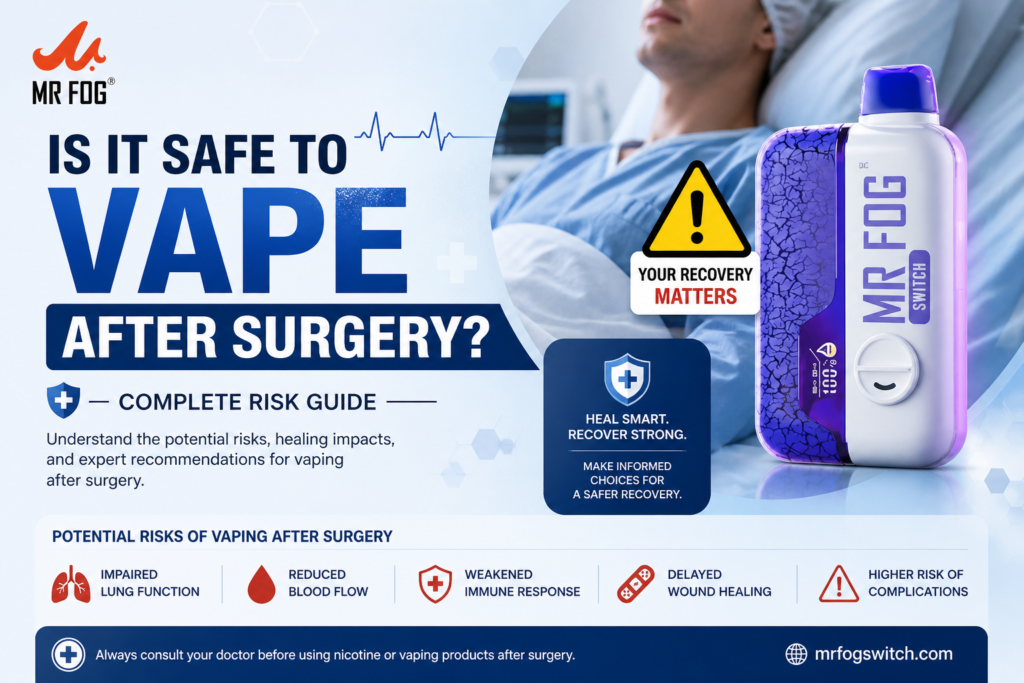
Recovering from surgery requires careful attention to your body and daily habits. One common question many people ask is whether it’s safe to vape after a procedure. While vaping is often seen as an alternative to smoking, it can still impact healing in ways that are important to understand.
If you’re considering using your vape device during recovery, it’s essential to know the risks, timing, and safer approaches. This guide breaks it all down clearly and practically.
Why Post-Surgery Recovery Needs Extra Care
After surgery, your body focuses on healing tissues, reducing inflammation, and preventing infection. This process depends on proper oxygen flow, stable blood circulation, and a strong immune response.
Any external factor that interferes with these processes can slow down recovery. That’s where vaping becomes a concern.
How Vaping Affects the Healing Process
Vaping involves inhaling substances that can influence your body’s ability to repair itself. Even though it may seem less harsh than traditional smoking, it still has effects worth considering.
Reduced Oxygen Supply
Nicotine, commonly found in vape products, can narrow blood vessels. This reduces oxygen delivery to tissues, which is essential for wound healing.
Delayed Tissue Repair
When oxygen levels drop, your body takes longer to regenerate damaged tissue. This can extend recovery time and increase discomfort.
Increased Risk of Infection
A slower healing process can make your surgical site more vulnerable to infection. This is especially important for procedures involving incisions or internal healing.
Is Vaping Safer Than Smoking After Surgery?
Many people assume vaping is a safer option than smoking during recovery. While it may reduce exposure to certain harmful chemicals, it is not risk-free.
Key Differences
- Vaping may produce fewer toxins than cigarettes
- Nicotine exposure is still present
- Lung and circulation effects remain a concern
Switching from smoking to vaping might reduce some risks, but it doesn’t eliminate them entirely.
When Can You Vape After Surgery?
There is no one-size-fits-all answer. Recovery timelines vary depending on the type of surgery and your overall health.
General Recommendations
Most healthcare professionals suggest avoiding nicotine for at least 2–4 weeks after surgery. In some cases, longer abstinence may be recommended.
Listen to Medical Advice
Always follow your doctor’s instructions. They understand your specific condition and can provide personalized guidance.
Signs You Should Avoid Vaping Longer
Even if you feel better, certain signs indicate your body still needs more time to heal:
- Persistent swelling or redness
- Slow wound closure
- Pain that doesn’t improve
- Signs of infection
If you notice any of these, it’s best to delay vaping further.
Safer Alternatives During Recovery
Nicotine-Free Options
Some users consider nicotine-free vape products to reduce risks. While this may lower certain effects, inhaling vapor can still irritate the lungs.
Focus on Healing First
Hydration, nutrition, and rest are far more important during recovery than vaping. Prioritizing these factors leads to better outcomes.
When you’re ready to return, choosing reliable products from mr fog can help ensure a consistent experience.
Choosing the Right Device After Recovery
Once your body has healed and your doctor gives approval, selecting the right device matters.
Ease of Use
Devices that are simple and require minimal effort are ideal when easing back into vaping.
The Mr Fog Switch lineup offers user-friendly options designed for convenience and smooth performance.
Long-Lasting Performance
High-capacity devices reduce the need for frequent use, which can help you moderate your habits.
Options like the Mr Fog Switch 15000 provide extended usage and consistent delivery.
Flavor Considerations After Surgery
Your sense of taste and throat sensitivity may change temporarily after surgery. Strong flavors might feel overwhelming at first.
Foger vape flavors include fruity blends and icy cool profiles, which can be explored gradually as your comfort improves.
You can browse options through Mr Fog Switch Vape Flavors to find milder profiles when returning to vaping.
Convenience and Access When You’re Ready
Once you’ve fully recovered, convenience becomes important again. Having easy access to trusted products ensures a smoother transition back.
You can use mr fog switch near me to locate nearby options and avoid unnecessary effort during recovery.
Common Mistakes to Avoid
Returning Too Soon
One of the biggest mistakes is resuming vaping before your body is ready. This can delay healing and increase complications.
Ignoring Medical Advice
Your doctor’s recommendations should always come first. Ignoring them can lead to setbacks.
Overusing Immediately After Recovery
Even after healing, it’s best to ease back into vaping gradually rather than returning to previous habits right away.
Final Thoughts
Vaping after surgery is not completely safe, especially during the early stages of recovery. While it may seem like a less harmful alternative to smoking, it can still affect healing, oxygen flow, and overall recovery time.
The best approach is to wait until your body has healed and your doctor gives approval. Taking a short break from vaping can make a significant difference in how quickly and smoothly you recover.
Once you’re ready to return, choosing quality devices and moderating usage can help you maintain a balanced and safer experience.
FAQs
Is it safe to vape immediately after surgery?
No, vaping right after surgery can slow healing and increase the risk of complications.
How long should I wait before vaping again?
Most experts recommend waiting at least 2–4 weeks, but it depends on the type of surgery.
Does nicotine affect wound healing?
Yes, nicotine reduces blood flow and oxygen delivery, which can delay healing.
Are nicotine-free vapes safer after surgery?
They may reduce some risks, but inhaling vapor can still irritate the body during recovery.
Can vaping cause complications after surgery?
Yes, it can increase the risk of infection, slow tissue repair, and prolong recovery time.